Petrol Fuel Prices
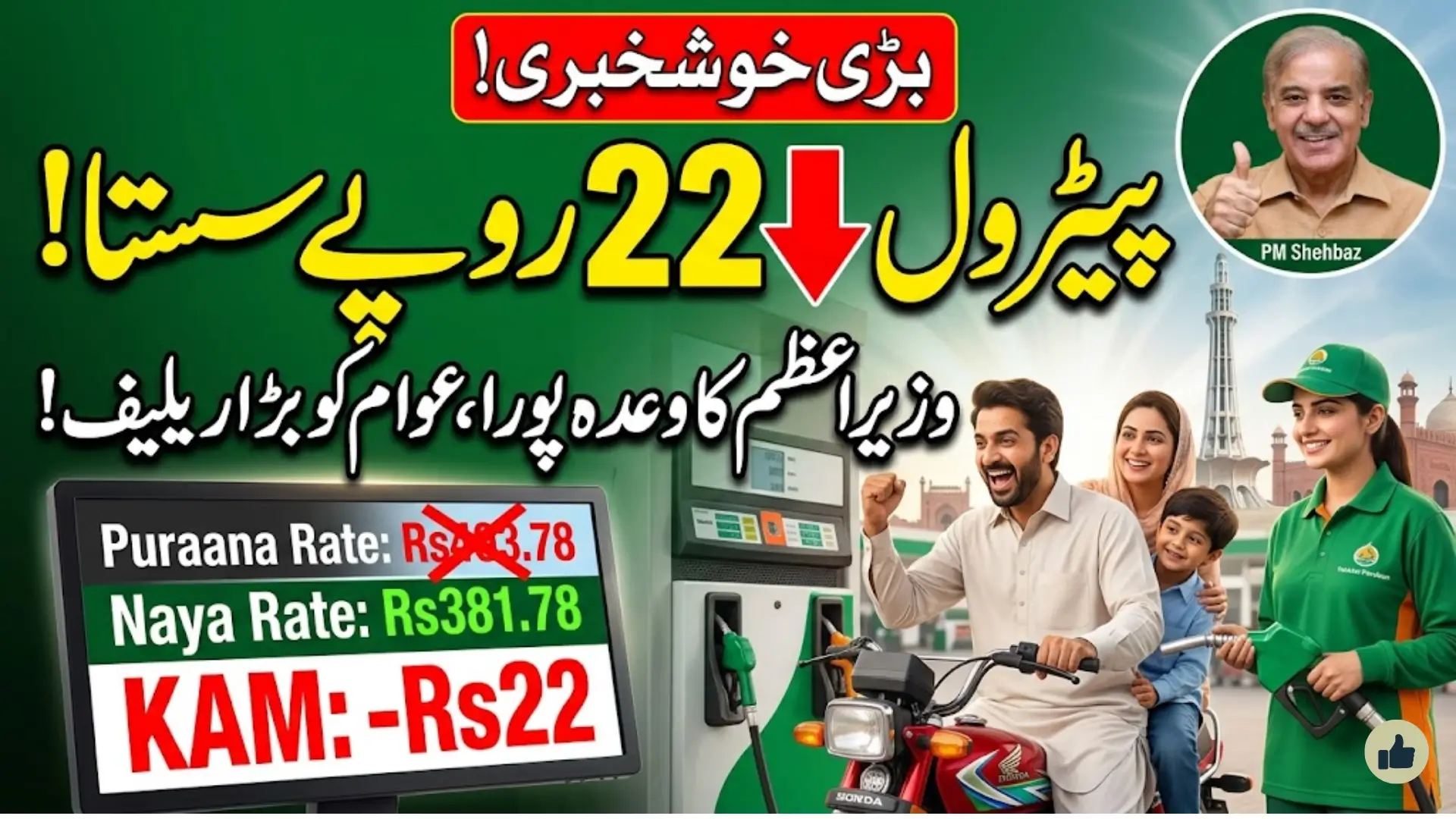
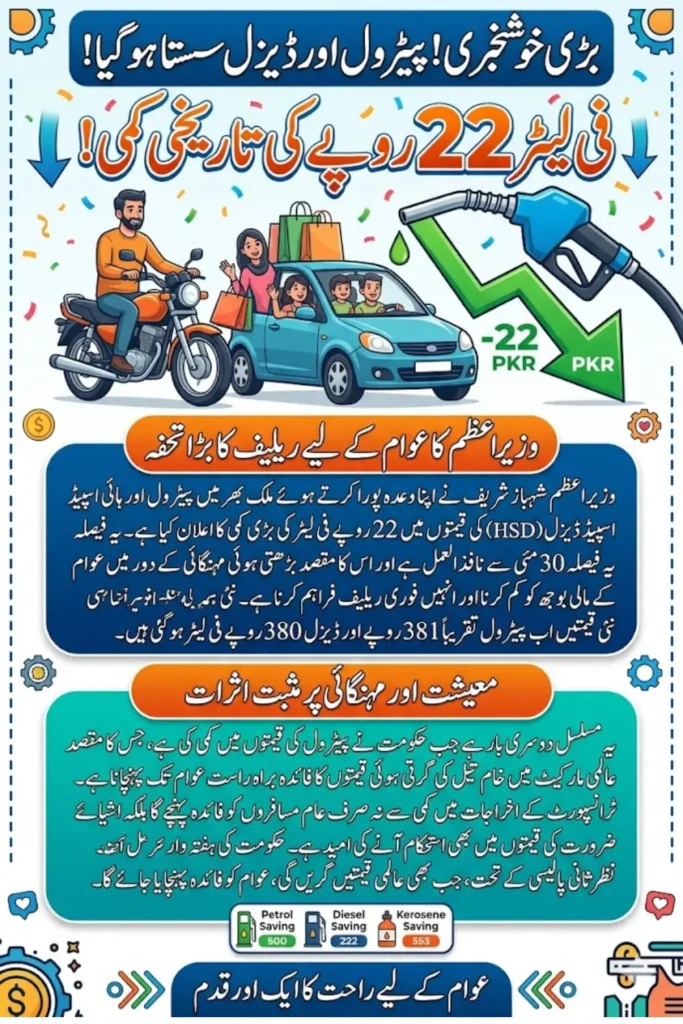
Petrol Fuel Prices. Pakistani citizens received major financial relief as the government announced a significant reduction in petrol fuel prices by Rs22 per litre. The cut applies to both petrol and high-speed diesel (HSD), bringing much-needed ease to millions of households, commuters, and businesses across the country. The announcement was made on Friday night by the Prime Minister’s Office, with Prime Minister Shehbaz Sharif reaffirming his commitment to protecting the common people from rising living costs.
This latest move comes as part of the government’s ongoing weekly petroleum price revision policy, which has been in place since global oil markets were disrupted earlier this year.
New Petrol Fuel Prices at a Glance
Following the latest revision, here is a clear breakdown of the updated fuel prices:
| Fuel Type | Previous Price | New Price | Reduction |
|---|---|---|---|
| Petrol | Rs403.78/litre | ~Rs381/litre | Rs22/litre |
| High-Speed Diesel (HSD) | Rs402.78/litre | ~Rs380/litre | Rs22/litre |
| Kerosene | Rs313.44/litre | Rs272/litre | Rs41.44/litre |
The new petrol fuel prices came into effect from Saturday, May 30, as confirmed by the Petroleum Division. The Oil and Gas Regulatory Authority (OGRA) also issued an official notification announcing the kerosene price reduction, which will further benefit lower-income households that rely on it for cooking and heating.
A Look Back: Recent History of Price Reductions
This is not the first time in recent weeks that the government has reduced petrol fuel prices. Just the previous week, the administration had already cut petrol and diesel prices by Rs6 to Rs7 per litre each, effective for the week ending May 29. Falling global crude oil prices primarily drove that reduction.
Following that earlier cut, petrol was priced at Rs403.78 per litre and HSD at Rs402.78 per litre. Now, with an additional Rs22 reduction applied to both fuels, the prices have dropped even further, offering cumulative relief to consumers within a very short span of time.
The government has been revising petroleum prices every Friday night since the pause of the US-Israeli conflict with Iran, which originally broke out on February 28. These weekly adjustments allow the government to keep domestic fuel prices in line with international market movements.
What the Government Said
The announcement was formally made through an official statement released by the Prime Minister’s Office. According to the PMO, PM Shehbaz had previously promised the nation that he would pass on financial relief to the public as soon as room was created to do so. The statement confidently declared, “That promise has been fulfilled.”
The PMO statement further quoted the Prime Minister as saying:
“Providing relief to the people is my top priority.”
The Petroleum Division separately confirmed the new petrol fuel prices and clarified that they would remain effective throughout the week starting May 30. OGRA’s notification provided the official legal backing for the price changes, particularly the notable reduction in kerosene prices.
Who Will Benefit the Most?
One of the most important aspects of this petrol fuel price reduction is understanding exactly who stands to gain from it.
Petrol Users — The Middle and Lower-Middle Class
Petrol is primarily consumed by private car owners, small vehicle operators, motorcycle riders, and rickshaw drivers. These groups largely belong to the middle and lower-middle class segments of Pakistani society. A reduction of Rs22 per litre directly lightens their daily travel expenses, making commuting more affordable and reducing the financial pressure on household budgets.
High-Speed Diesel Users — Transport and Industry
High-speed diesel powers the heavy transport sector, including trucks, buses, and large freight vehicles. It is also widely used to run large generators, particularly in areas with frequent power outages. A lower HSD price means reduced transportation costs, which can eventually lead to lower prices for everyday goods in markets across the country.
Existing Government Subsidies Still in Place
Beyond this latest price cut, the federal government has already been providing fuel subsidies for public transport, goods transport vehicles, motorcycle riders, and rickshaw operators. These targeted subsidies, combined with the new price reduction, create a layered relief structure that aims to protect the most economically vulnerable segments of the population.
Impact on the Common Person
When petrol fuel prices drop, the effects ripple through the entire economy. For a motorcycle rider commuting to work every day, Rs22 per litre may seem like a small number, but over the course of a month, it adds up to meaningful savings. For a family that depends on a rickshaw driver’s income, lower fuel costs can mean more food on the table.
For the transport industry, cheaper diesel translates directly into reduced operating costs. In an ideal pass-through scenario, this should result in lower freight charges, which in turn can reduce the prices of vegetables, groceries, and other daily necessities transported across the country.
Kerosene users, who are often from the most economically disadvantaged backgrounds, will also see significant savings following the Rs41.44 per litre reduction in its price.
Why Are Petrol Fuel Prices Being Revised Weekly?
Pakistan’s petroleum pricing mechanism has undergone a significant change in recent months. Since the US-Israeli conflict with Iran erupted on February 28 and was subsequently paused, global oil markets have experienced considerable volatility. In response, the Pakistani government shifted to a weekly pricing model rather than the traditional fortnightly revision cycle.
This approach allows prices to respond more quickly to international oil price movements, ensuring that when global prices fall, Pakistani consumers benefit sooner rather than waiting weeks for an adjustment. It also allows the government to manage fuel-related subsidies more efficiently in real time.
Conclusion
The Rs22 per litre reduction in petrol fuel prices marks a significant step by the government toward easing the financial burden on ordinary Pakistanis. Combined with the previous week’s reduction and ongoing fuel subsidies, the cumulative relief being provided is substantial. Prime Minister Shehbaz Sharif has made it clear that protecting the purchasing power of the middle and lower-middle class remains a central priority of his administration.
As global oil markets continue to fluctuate, the government’s weekly revision policy ensures that Pakistani consumers are not left waiting too long to feel the benefit of falling international prices. For now, lower petrol and diesel costs offer a genuine breath of fresh air to millions of commuters, transport workers, and everyday families across Pakistan.
Effective Date: May 30, 2026 | Source: Prime Minister’s Office (PMO) & OGRA Notification
New Vehicle Registration Number Series Punjab Launching Next Month – Full Details Inside